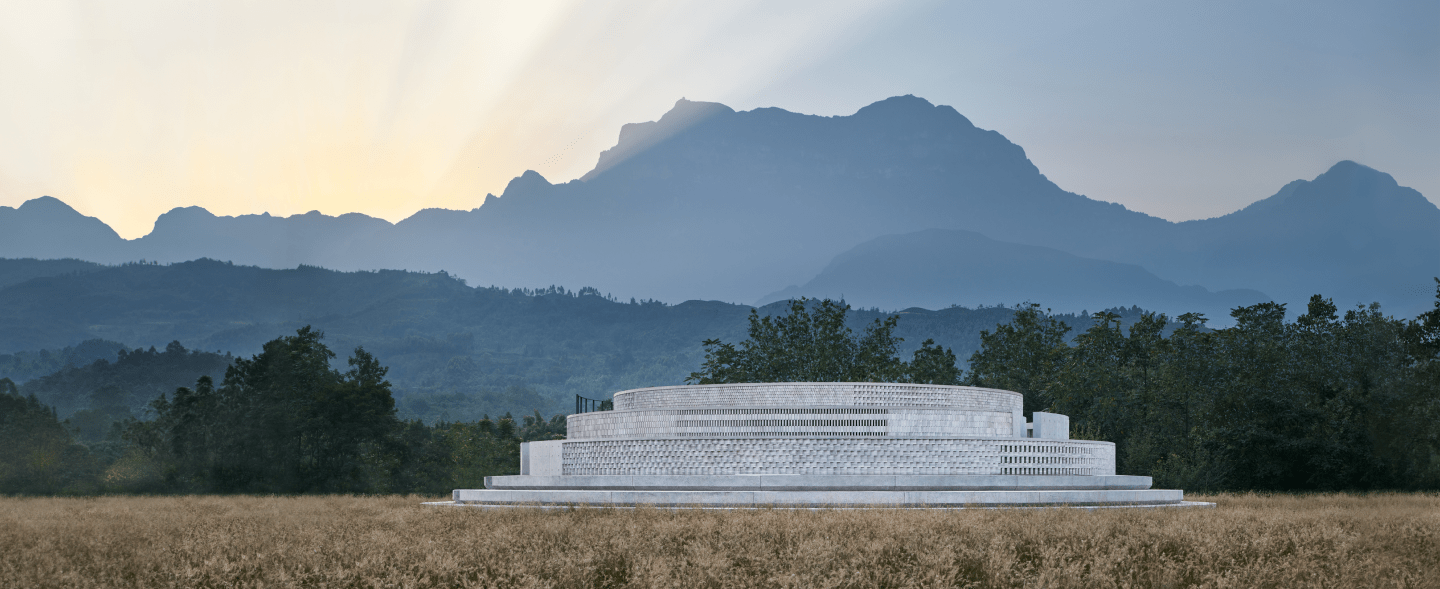
The distillery architecture is designed by Neri&Hu Design and Research Office, an inter-disciplinary architectural design practice based in Shanghai.
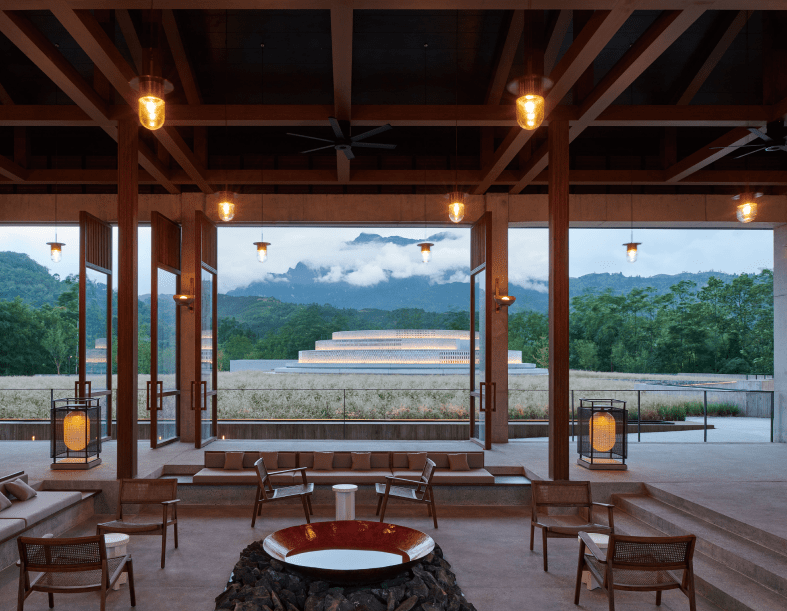
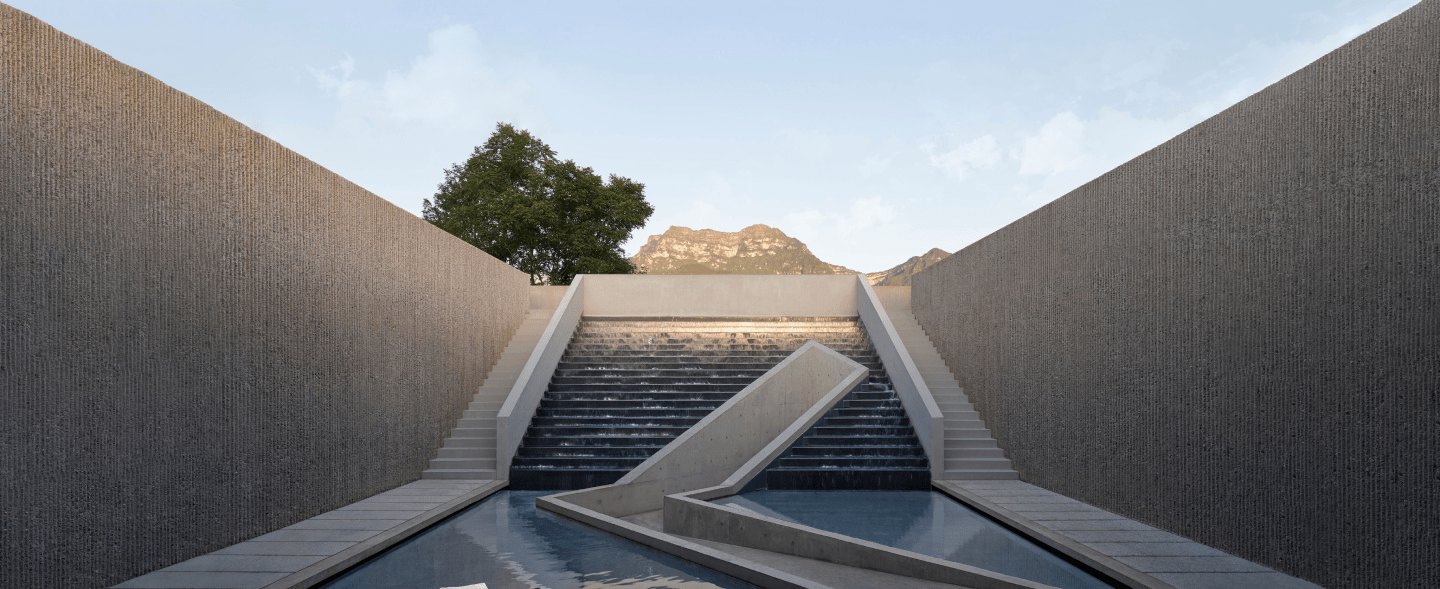
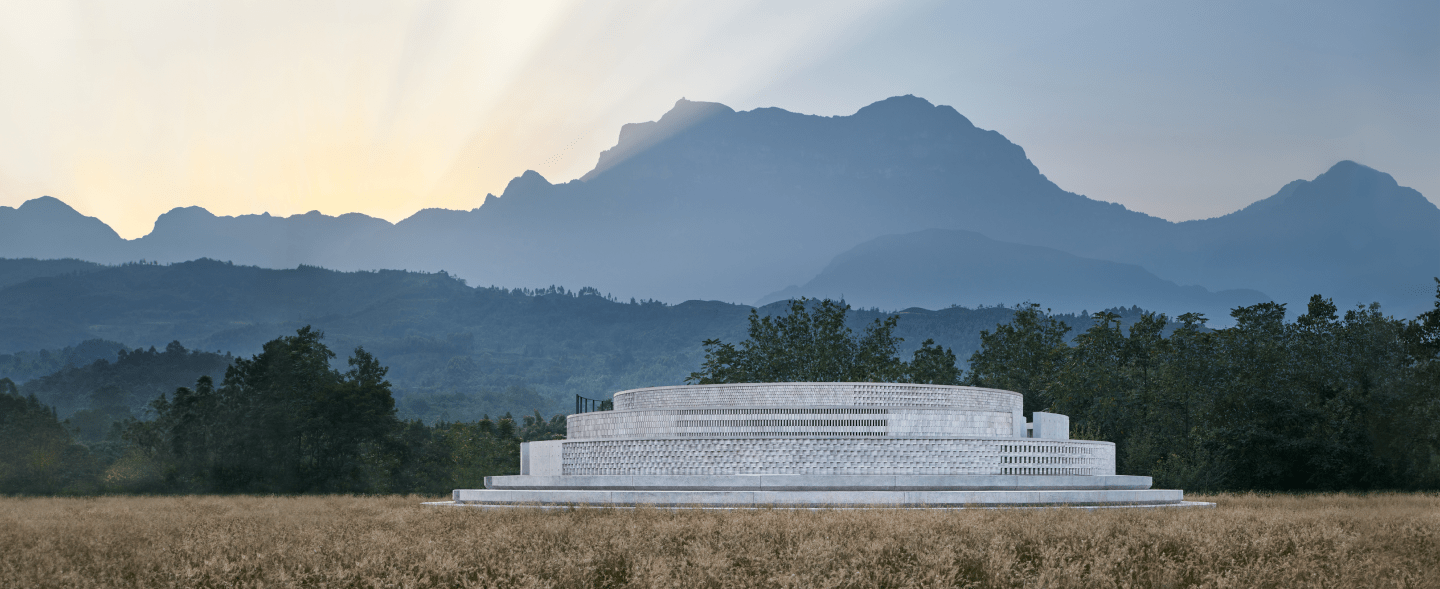
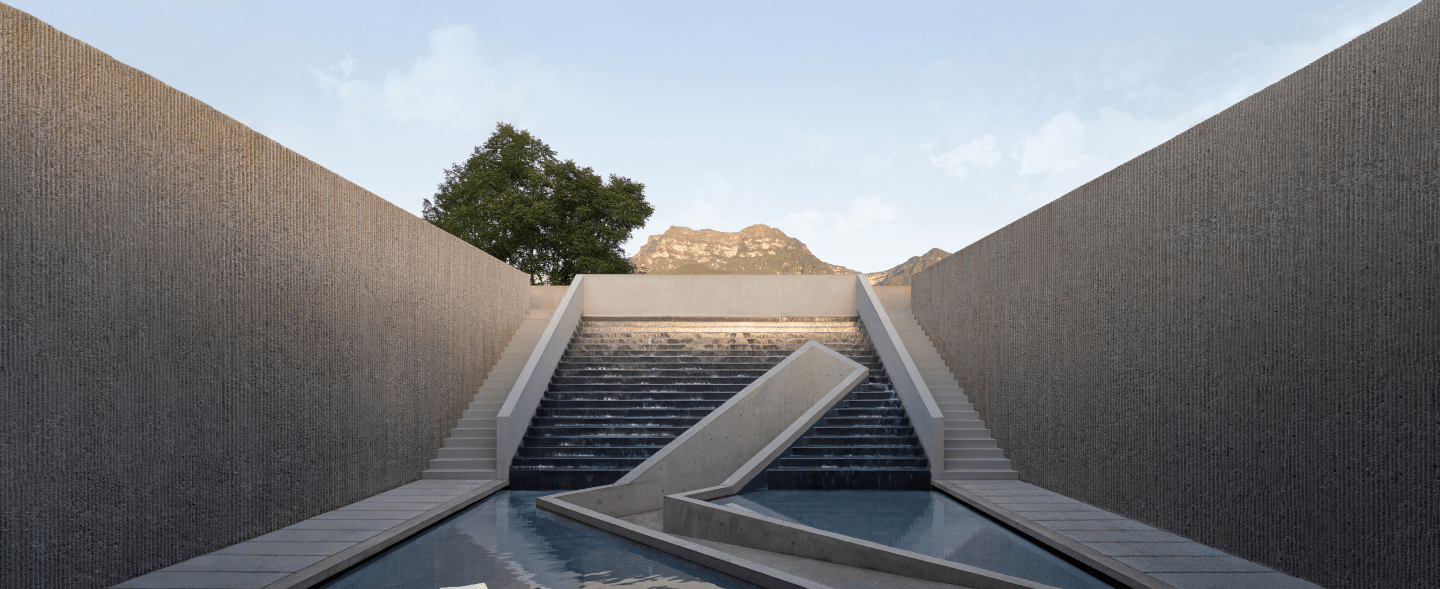
Surrounded on three sides by a winding creek, and with the majestic Emei peak as a backdrop, the original site of the distillery is an exemplification of the Chinese notion of the duality of natural elements which make up the world we live in. Shan-shui literally means ‘mountain-water.’ While shan represents strength and permanence, shui represents fluidity and transformation; they are two opposing yet complementary forces. In the spirit of this philosophy, the position of the architecture is to conceive a gesture whose very strength lies in its humbleness and simplicity, by its profound respect for nature.
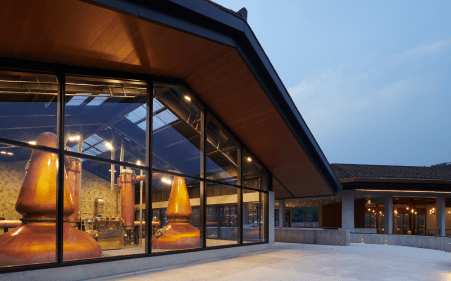
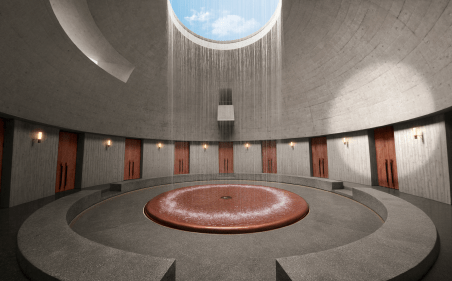
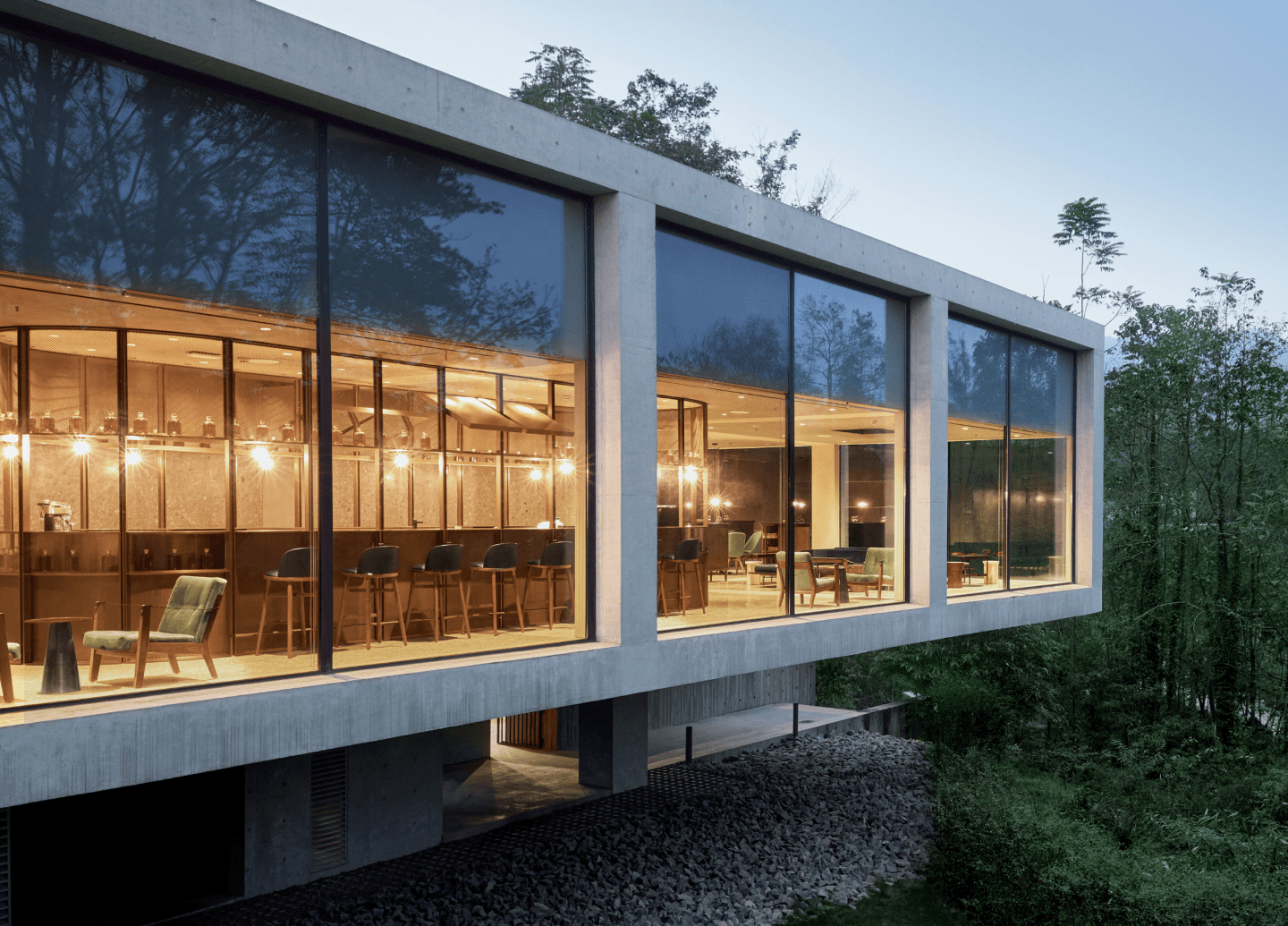
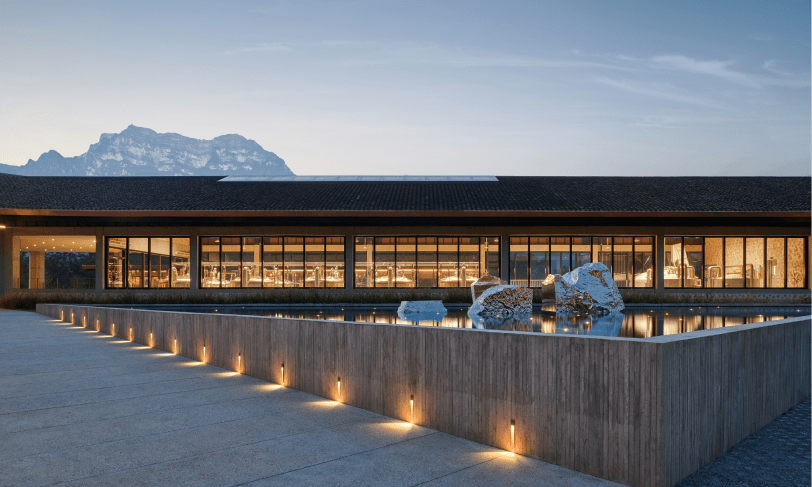
The architecture itself manifests this balanced duality in many ways, with the industrial buildings as a modern interpretation of vernacular Chinese architecture, and the visitor buildings as elemental geometries grounded in the terrain. Three long buildings housing the whisky production facilities are situated at the north side of the site; parallel in formation, they are tucked into the natural gentle slope of the land with gradually descending rooflines. In an interpretation of vernacular architecture, reclaimed clay tiles give a humble texture to the pitched roofs that rest upon a modern concrete post-and-beam structure.
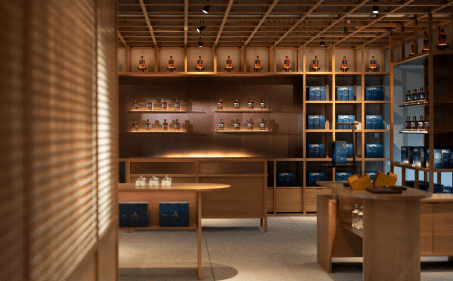
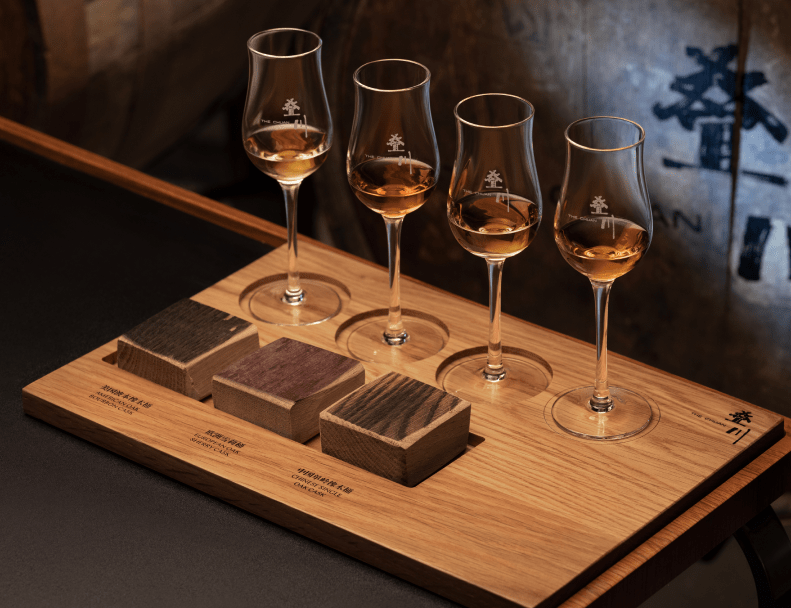
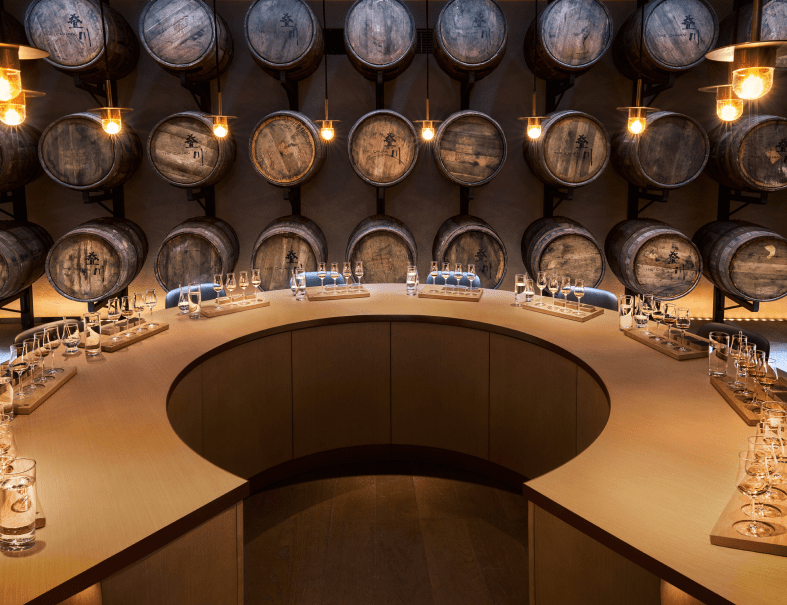
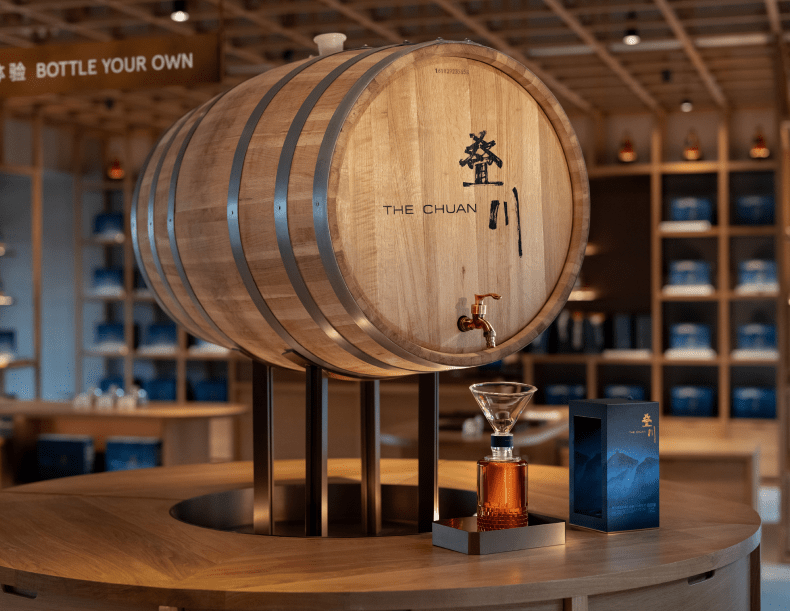
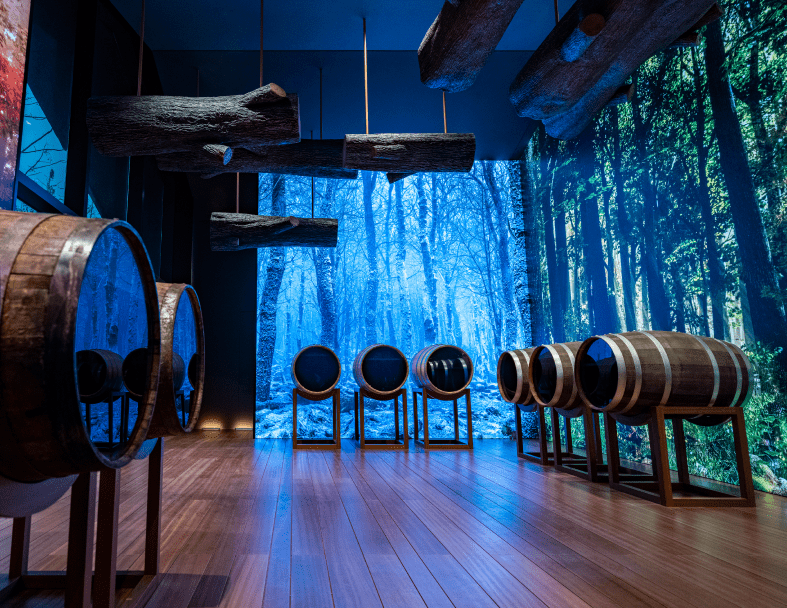
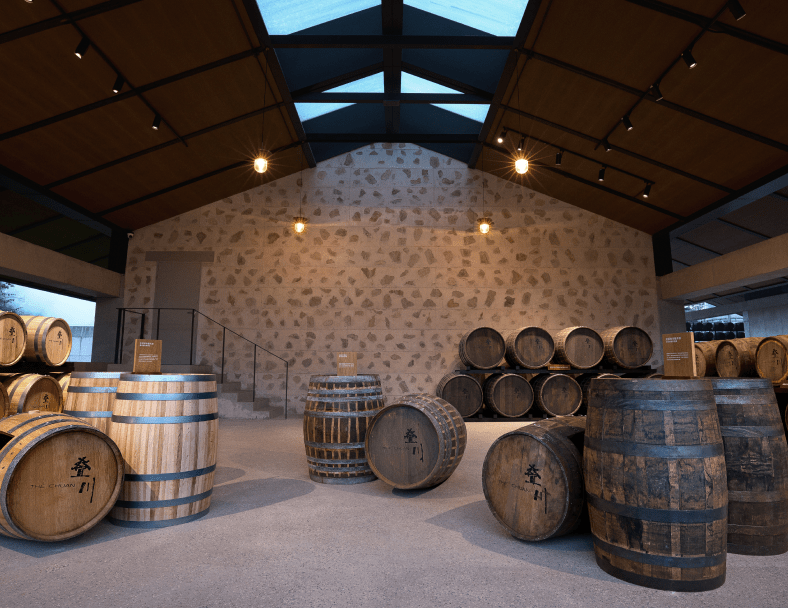
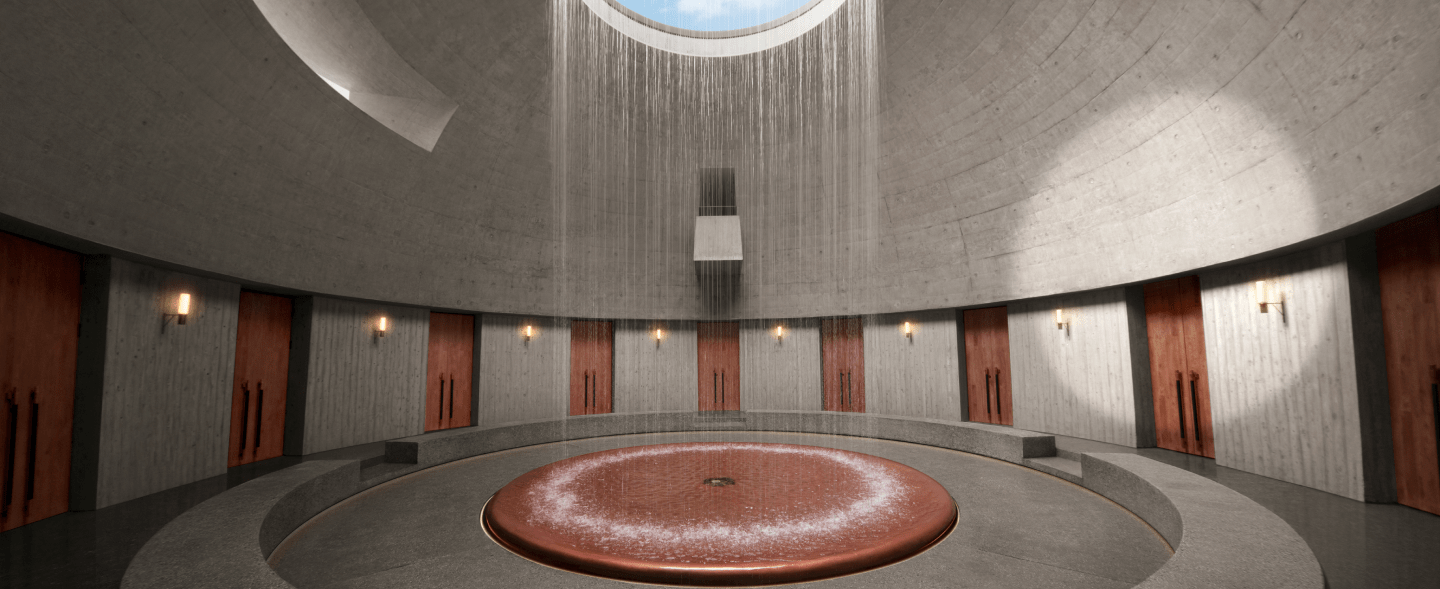
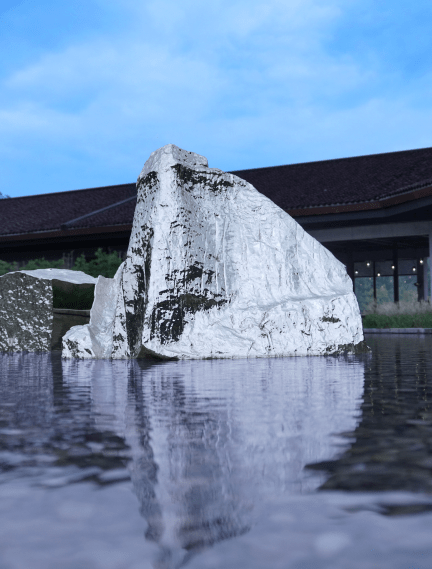
Besides a deep appreciation for the site’s natural resources, the architecture is also an embodiment of the refined sense of artistry embedded in whisky-making and blending, which is in dialogue with traditional Chinese craftsmanship and knowledge of materials. A variety of concrete, cement, and stone mixtures form the base material palette, finding resonance in the strong mineral presence of the site. Accent materials are drawn from those used in whisky craft, such as the copper distillation pots to the aged oak casks. Throughout the project, Neri&Hu tries to embody the Chinese concept of the dichotomy of two elements that exist in opposition yet complement each other, and to strike a harmonious balance between architecture and landscape, between industry and visitor experience, between mountain and water.